Transform Your Living Area: Essential Facts On Residential Improvement Projects for All Property Owners
Residents commonly search for ways to improve their homes through remodeling services. Such undertakings may vary from kitchen upgrades to complete home renovations. Knowing the choices accessible is vital for making informed decisions. Moreover, one must consider practical considerations such as setting a budget and choosing the right builder. As householders start this endeavor, they may find themselves facing surprising obstacles. Achieving a successful makeover requires thorough design and implementation. Which actions should follow?
Grasping the Diverse Forms of House Improvement Projects
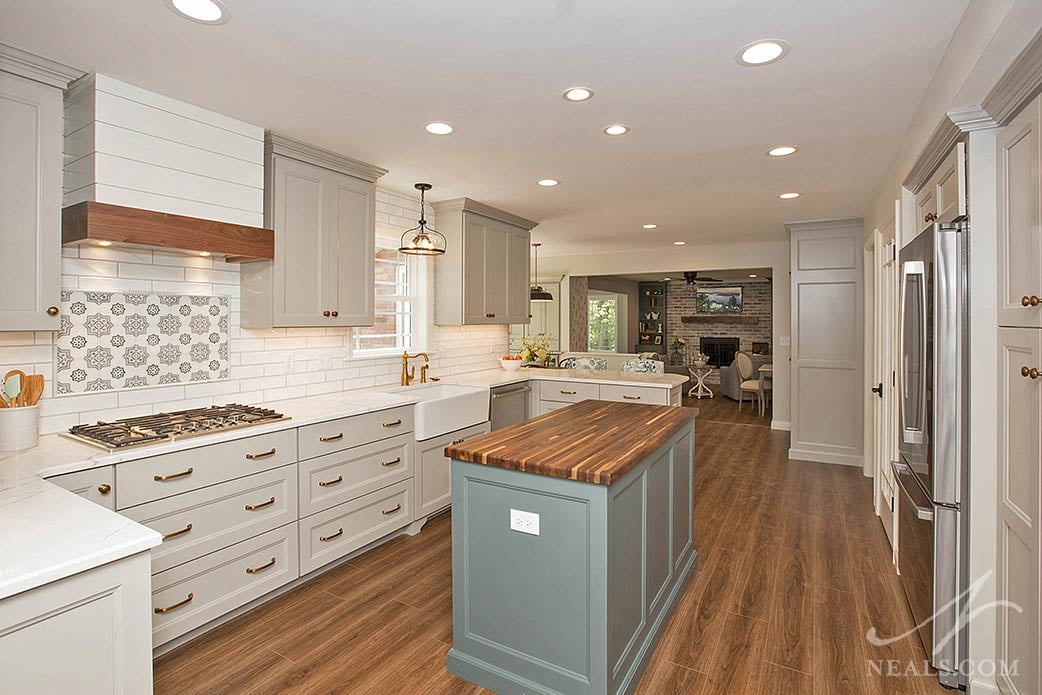
As householders look to improve their homes, they typically find a variety of remodeling services tailored to different needs and preferences. These options can be widely classified into several types, each focusing on particular areas of home improvement. Renovating the kitchen involves upgrading equipment, cabinetry, and layouts to improve usability and visual appeal. Renovating the bathroom usually includes upgrading fixtures, tiles, and organizational units for greater ease and visual flair.
Complete residential remodeling includes extensive modifications to the entire house, often including structural alterations to maximize the area and layout. Outdoor renovation projects, in contrast, concentrate on enhancing the home's outward appearance, addressing siding, the covering, and the garden design. Furthermore, specific options such as completing the basement and upgrading the attic enable property owners to utilize fully underutilized spaces. Each type of remodeling service offers unique benefits, enabling homeowners to choose options that match their goals for their home life. Knowing these variations is essential when choosing wisely while undertaking the upgrade.
Setting a Realistic Budget for Your Home Improvement Work
What steps ensure their remodeling projects remain financially viable? Establishing a realistic budget is crucial. valuable resource Homeowners should begin by determining their fiscal limits, including savings and potential financing options. This initial step helps establish the amount that can be set aside for the updating project while maintaining other fiscal obligations.
Subsequently, property owners need to look into the financial requirements of their intended changes, including materials, labor, and surprise expenses that tend to crop up. Developing a comprehensive priority list aids in separating necessities from non-essential items, enabling modifications if the finances are strained.
It's wise to include a contingency fund, generally 10-20% of the entire budget, to cover unexpected costs. Periodically examining and tweaking the budget throughout the remodeling process can also help maintain financial control. In the end, a carefully structured budget does more than just confirm the project can be done and makes the whole updating experience better for homeowners.
Finding the Best Contractor for Your Requirements.
Finding a suitable builder has a major influence on how well a renovation turns out. Property owners ought to start by conducting thorough research, looking for suggestions from acquaintances, relatives, or web feedback. It is crucial to check qualifications, like licenses, insurance, and bonds, to verify their standing.
Once potential contractors are identified, homeowners should request detailed estimates and timelines, facilitating well-grounded side-by-side evaluations. Meeting with them offers a look at their manner of communicating and their professional conduct, which are crucial for working together effectively.
Furthermore, examining previous work via portfolios or referrals shows the builder's standard of work. Property owners must also ask about guarantees or assurances, indicating the builder's certainty about their services.
In the end, choosing a professional who matches the homeowner's goals, finances, and schedule creates a better renovation journey, making certain the outcome satisfies needs and changes the space as intended.
Structuring and Laying Out The Space You Envision.
When property owners picture their perfect areas, careful planning and thoughtful design are crucial elements of a successful remodeling project. The beginning stage requires reviewing existing necessities and future desires, allowing for a thorough understanding of how the space will be used. When planning, homeowners should evaluate practicality, aesthetics, and their individual taste, ensuring that the design reflects their unique preferences.
Following this, developing a comprehensive budget is essential. This budget should accommodate supplies, workforce costs, and contingency funds. Engaging with design professionals can give meaningful advice, assisting in improving the layout while sticking to budgetary constraints.
Including features such as ample daylight, open layouts, and eco-friendly supplies can enhance the overall experience. In conclusion, seeing the project via drawings or computer models can assist in finalizing plans before starting the work. By approaching the planning and design phase with intention, homeowners can create an inviting, efficient space tailored to their lifestyle.
Navigating Permits and Regulations in Home Remodeling
Understanding the complexities of permits and regulations can be intimidating for homeowners starting on a remodeling project. Every city or county maintains distinct regulations that determine what is allowed during renovations, frequently shaped by area restrictions, construction standards, and security requirements. Homeowners must familiarize themselves with local regulations to prevent expensive penalties or project delays.
In most cases, getting permits is mandatory for significant alterations, such as structural changes or new wiring installations. This process usually necessitates providing designs for examination and could involve check-ups at multiple points.
Engaging a knowledgeable contractor can simplify this process, as they are often familiar with local codes and can assist with paperwork. Homeowners should also keep communication open with the municipal planning office to guarantee compliance throughout the project. By understanding and maneuvering through these requirements, homeowners can meet their renovation objectives and maintaining compliance with the law in their renovations.
Frequently Asked Questions
How Much Time is Needed for a Typical Remodeling Job?

A typical home remodeling project usually takes between three to six months, depending on the scope of work, size of the home, and supply chain status. Complex projects may require additional time for completion.
What are the common mistakes you should steer clear of when renovating?
Typical pitfalls during remodeling include miscalculating costs, ignoring necessary permits, not adhering to the project schedule, failing to communicate effectively with contractors, and ignoring long-term functionality. Awareness of these pitfalls can lead to a more efficient, more successful renovation project.
What's the best way to select the best supplies for my project?
Choosing the right materials involves evaluating durability, the look and feel, and financial limits. Investigating available choices, talking to specialists, and thinking about upkeep are vital steps to make smart choices, ensuring the project aligns your functional and aesthetic goals.
Is it possible to stay in my house throughout the construction phase?
It is possible to remain in the house during renovations, but it could be uncomfortable. Thorough preparation, effective coordination with the renovation team, and setting aside certain zones for essential activities can help minimize disruption during the process.
What guarantees should I look for from the renovation company?
You should anticipate receiving warranties that guarantee the quality of the work, materials, and the integrity of the structure, typically ranging from one to ten years. You must carefully check the fine print and details alongside your builders to clearly grasp what is covered and what is excluded.